
The Fine Print
  • Home
  • Insights
  • News
  • Conversation With
  • Glossary
No Result
View All Result
The Fine Print
  • Home
  • Insights
  • News
  • Conversation With
  • Glossary
No Result
View All Result
The Fine Print
No Result
View All Result
Home Glossary

What Is SEO and How Does It Work?

seo
Share on FacebookShare on Twitter

SEO which stands for Search Engine Optimisation, is the process of improving your website so search engines like Google can understand what your business does and who it is relevant to.

When done well, your website appears when someone searches for services you offer.

It is one of the few marketing channels where people are already looking for something. Your job is simply to make sure they can find you.

If you have ever searched for something on Google such as looking for a restaurant, a tuition centre, or even a marketing consultant, you will notice that some websites appear first.

That is not random. Those businesses are usually investing in SEO where it helps your website appear when people search for something related to your business.

How Does SEO Work?

Search engines work through three basic steps.

First, they scan websites across the internet using automated bots. These bots read pages and gather information about what each website contains.

Second, the search engine stores that information in a database, often called an index.

Finally, when someone searches for something, the search engine decides which pages should appear first. It considers factors such as how relevant the content is, how credible the website appears and how easy the page is to use.

How Do You Play the SEO Game?

If you want to understand how to play the SEO game, it helps to think of it less as gaming Google and more as understanding how search works.

Search engines have become too smart for shortcuts. What works today is clarity, consistency and relevance.

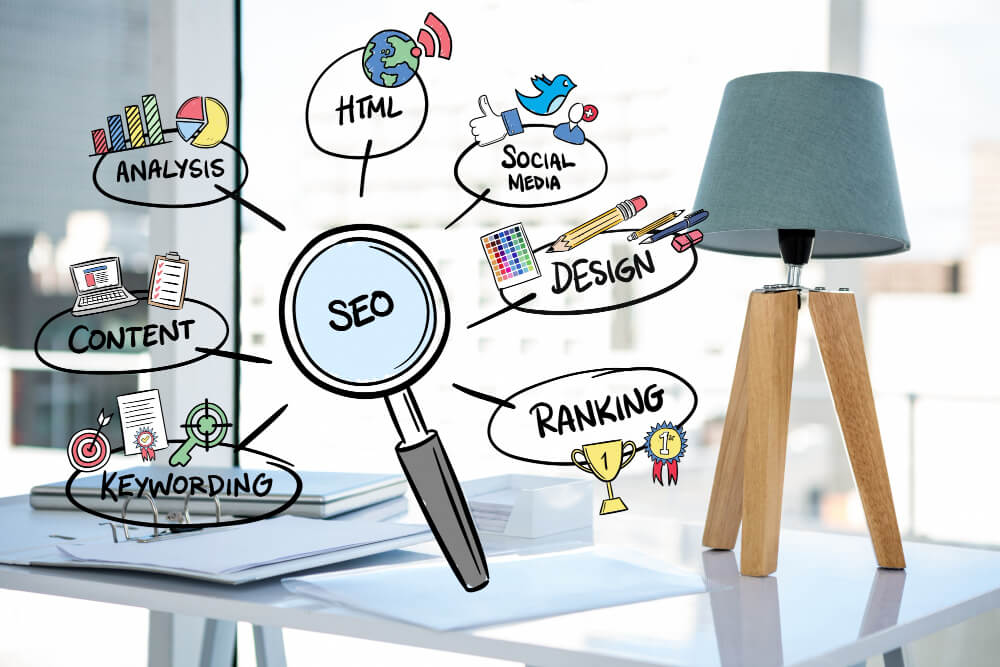
The first step is understanding what people are actually searching for. Every industry has common questions. A facilities manager might search for “lifting equipment inspection Singapore.” A parent might search for “best phonics class for primary school.” These search phrases are known as keywords, and good SEO begins by identifying them.

The second step is creating useful content around those searches. This could be articles, guides, FAQs or service pages that answer real questions clearly. When search engines see that your page genuinely helps people, they are more likely to recommend it.

The third step is making sure your website works well technically. Pages should load quickly, work properly on mobile devices and have clear titles so search engines understand what each page is about.

Finally, SEO becomes stronger when other credible websites mention or link to yours. These links signal trust and authority, helping search engines determine that your site is reliable.

In the end, playing the SEO game is not about chasing algorithms. It is about becoming one of the most useful and trustworthy sources of information in your field.

Businesses that focus on that tend to win the long game.

Tags: Digital MarketingSEO
Share46Tweet29
digital marketing digital marketing digital marketing

Related Posts

the Learning Phase
Glossary

What Is the “Learning Phase” in Meta Ads

Why You Should Not Panic and Tweak Your Ads Immediately

by mbc6m
March 3, 2026
What Is a Marketing Playbook?
Glossary

What Is a Marketing Playbook?

A marketing playbook is the operational guide that ensures marketing is executed consistently. If a marketing blueprint defines direction,...

by mbc6m
March 2, 2026
What Is a KPI Dashboard?
Glossary

What Is a KPI Dashboard?

A KPI dashboard is a visual tool that tracks the key performance indicators that matter most to your business....

by mbc6m
March 2, 2026
Marketing Blueprint Document
Glossary

What Is a Marketing Blueprint Document?

A marketing blueprint document is the master plan behind how a business grows through marketing. It is not a...

by mbc6m
March 2, 2026

Leave a Reply Cancel reply

Your email address will not be published. Required fields are marked *

  • Trending
beyond

Beyond the Logo: Conversation With Jen Cajucom and the Discipline of Brand Thinking in Asia

March 6, 2026
creative-agency

Tin Communications Launches Collaborative Advisory Model for Creative Agencies Supporting SMEs in Singapore

March 1, 2026
the Learning Phase

What Is the “Learning Phase” in Meta Ads

March 3, 2026
AI Is Replacing Execution

AI Is Replacing Execution, Not Strategy: Why Businesses Still Need Human Marketing Leadership

March 1, 2026
iklan vertikal 01
The Fine Print

©2026
Tin Communications
.

Navigate Site

  • Home
  • Contact Us
  • Privacy Policy

Follow Us

Powered by
►
Necessary cookies enable essential site features like secure log-ins and consent preference adjustments. They do not store personal data.
None
►
Functional cookies support features like content sharing on social media, collecting feedback, and enabling third-party tools.
None
►
Analytical cookies track visitor interactions, providing insights on metrics like visitor count, bounce rate, and traffic sources.
None
►
Advertisement cookies deliver personalized ads based on your previous visits and analyze the effectiveness of ad campaigns.
None
►
Unclassified cookies are cookies that we are in the process of classifying, together with the providers of individual cookies.
None
Powered by
No Result
View All Result
  • Home
  • Insights
  • News
  • Conversation With
  • Glossary
  • Contact Us
  • Privacy Policy

©2026
Tin Communications
.